

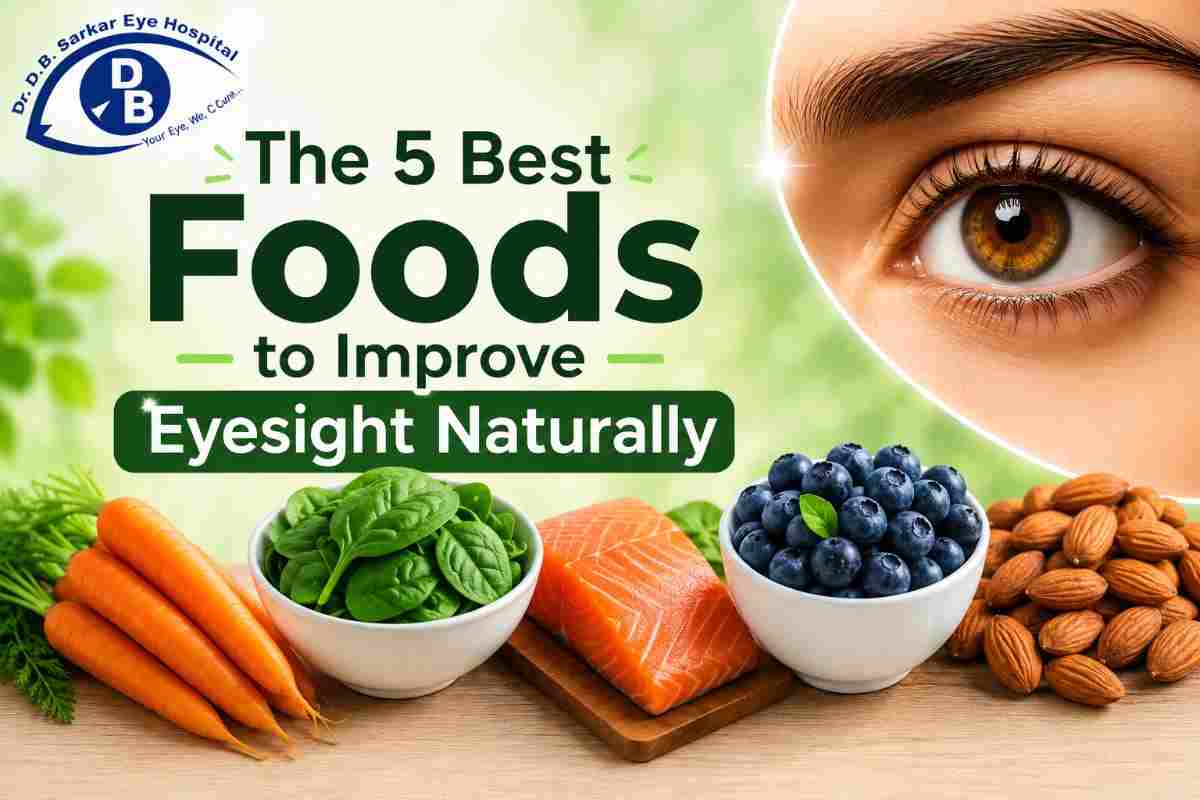
The 5 Best Foods to Improve Eyesight Naturally and Protect Your Vision
Which Nutrients Do Your Eyes Actually Need?
A small set of nutrients does most of the heavy lifting. Here's the plain-English version, no jargon required.
-
Vitamin A — Helps the retina process light. Without enough of it, night vision suffers first. This is one of the oldest, most well-established links in eye nutrition.
-
Omega-3 fatty acids — Support tear film quality and how the retina functions day to day. Low intake has repeatedly been tied to dry eye symptoms.
-
Lutein & zeaxanthin — These settle directly into the macula and filter out high-energy light before it can do damage. Think of them as a built-in, edible sunblock for your retina.
-
Vitamins C & E — Antioxidants that clean up the cellular damage that quietly builds over the years. Both show up in research on slowing age-related eye decline.
Your eyes rely on a very specific set of tools. Take Vitamin A, for instance. It builds a pigment called rhodopsin, which lets you navigate easily in dim lighting. Omega-3s play a totally different role. Nutrients like DHA are not just abstract health trends. They physically build the walls of your retina. Lutein and zeaxanthin are equally fascinating. Your body simply cannot produce them. You must get them straight from your plate. After you eat them, they rush directly to your macula to sharpen your central vision. Meanwhile, Vitamins C and E act as a dedicated maintenance team. They quietly scrub away daily wear and tear. Just do not expect instant miracles. You cannot drink one magic health shake and suddenly see perfectly. These nutrients need years of teamwork to truly protect your vision.
What Exactly Should You Eat for Healthy Eyes? (The Top Foods)
Fish: The Omega-3 Powerhouses
Salmon, mackerel, sardines, tuna — all rich in omega-3s, and that matters more than most people realise. That gritty, irritated feeling a lot of us blame on "just screen fatigue"? Research has linked it, at least partly, to low omega-3 intake. Two servings of oily fish a week is a reasonable target, and honestly not a hard one to hit.
Leafy Greens: The Blue-Light Blockers
Leafy greens are your secret weapon. Think about superfoods like spinach and kale. They are absolutely loaded with lutein and zeaxanthin. These natural pigments do not just pass through your body. They actually park themselves directly inside your macula. They physically build up there over time. That makes a daily habit of eating greens incredibly powerful. It directly defends your long-term retinal health. You do not have to force down huge plates of raw kale, either. A modest handful every day works wonders. Those small daily bites add up. Over the years, they create serious, lasting protection for your vision.
Eggs: The Complete Package
Egg yolks don't get enough credit, honestly. They carry lutein and zeaxanthin in a form the body absorbs easily, plus vitamin A and zinc on top. That's several angles of macular support packed into one everyday breakfast item. A small food, really. But it does a much bigger job than most people ever assume.
Nuts & Seeds: The Vitamin E Boost
Almonds, sunflower seeds, chia seeds — solid, reliable sources of vitamin E. Research has connected this antioxidant to a lower risk of age-related macular degeneration when it's part of a broader healthy diet, not a standalone fix. And they're painless to add in daily. A handful as a quick snack. A spoonful stirred over your oats. That's really all it takes.
Citrus Fruits: The Vitamin C Fix
Everyone knows citrus fruits are packed with Vitamin C. Grab an orange or a lemon, and you are already on the right track. This specific vitamin is fantastic for your vision. It directly reinforces the delicate little blood vessels wrapped around your eyes. On top of that, it supercharges your body's natural antioxidant defenses. Honestly, it is the simplest item on this entire list. You can usually get all the Vitamin C you actually need without even thinking about it.
Do Carrots Really Give You Perfect Vision? (Myth vs. Fact)
This question never really goes away, and the honest answer sits somewhere in the middle. Let us be fair to carrots. They really do support your eye health up to a certain point. These bright vegetables are overflowing with beta-carotene. Your digestive system smoothly converts all of that into usable Vitamin A. If you are actively suffering from a Vitamin A deficiency, adding carrots to your plate is a brilliant move. It will genuinely improve how you see. However, there is a harsh reality check we need to talk about. Stacking your plate with carrots has a strict limit. If your body already has enough vitamins, eating more will not sharpen your natural focus. It will not magically restore 20/20 eyesight. You are still going to need your glasses. Interesting bit of trivia — the whole "carrots help you see in the dark" idea partly traces back to a British WWII-era myth, floated to explain their pilots' unusually strong night vision. A cover story more than actual science, basically. Carrots remain one solid piece of an eye-friendly diet. They were never meant to be the whole puzzle on their own.
What Foods Should You Avoid for Better Eye Health?
Diet cuts both ways here, always. Some foods quietly work against your eyes over time, and it's worth knowing which ones.
-
Watch your salt intake. A heavy-sodium diet is surprisingly bad for your vision. Research actually connects eating too much salt directly to cataracts. Plus, it is terrible for your vascular system. People rarely realize just how deeply their eyes depend on smooth, healthy blood flow to survive.
-
Ditch the heavy carbs. Sweetened drinks and heavily refined carbohydrates are a terrible combination. They cause immediate and aggressive blood sugar spikes. Poorly managed blood sugar is not just a general health issue. It is a major, highly documented trigger for diabetic eye disease.
-
Avoid the deep fryer. Heavily processed items and greasy fried foods are just not worth it. They constantly trigger internal inflammation and severely stress your blood vessels. This kind of daily wear and tear adds up quickly. Fast forward a few years, and it actively feeds devastating conditions like macular degeneration and glaucoma.
None of this calls for total perfection, ever. It's about pattern and frequency over time, not banning yourself from the occasional plate of fries.
How Can You Build an Eye-Healthy Diet Today? (Next Steps)
Here's a simple, realistic day built around everything above:
-
Build a better breakfast. Mornings require actual, sustainable energy. Try tossing a large bunch of fresh spinach straight into a hot egg scramble. It only takes two minutes. Serve it with a quick piece of citrus fruit. That bright, acidic flavor gives you an amazing natural boost to start your day.
-
Survive the morning crash. We all hit that mid-morning wall eventually. Do not reach for a heavy, processed snack. You just need a tiny bit of healthy fuel. A small stash of crunchy almonds is exactly what your brain needs. A simple spoonful of chia seeds is another brilliant, low-effort alternative to keep you moving.
-
Eat a crisp, vibrant lunch. Midday meals should never weigh you down. Load a massive bowl with dark leafy greens. Chop up plenty of fresh, raw garden veggies. Finally, drop a generous portion of lean protein right on top. This simple formula easily kills your hunger and carries you straight through the afternoon.
-
End the day with fish. Grilled salmon is an absolute powerhouse for your overall health. Any oily fish will do the trick nicely. Just serve it with a warm side of seasonal veggies.
-
Hydrate and snack wisely. Choose cold water over sweet, carbonated drinks every single time. Whenever you want a packaged snack, eat some fresh fruit instead.
-
Trust the boring basics. Eating well does not require a fancy diet guru. You do not need to max out your credit card at the grocery store. It is literally just about buying the same healthy staples and eating them on repeat.
None of this needs a special diet plan or an expensive grocery list to work. It's mostly about showing up for the same handful of ingredients, again and again, without overthinking it too much.
The Bottom Line
Good vision doesn't come down to glasses, screens, or genetics alone. What you eat plays a real, ongoing role too, even if the payoff takes months, sometimes years, to actually show. Let us connect all the dots on these nutrients. We talked heavily about Vitamin A, Omega-3s, lutein, and zeaxanthin. We also highlighted Vitamins C and E. Each of these compounds has a highly specific mission. They shield your eyes in totally separate ways. Honestly, a smart daily diet is the most reliable way to maintain that armor. You just need to shift your perspective. Protecting your eyes is a lifelong marathon. It is definitely not a fast sprint. Stop searching for an instant overnight cure. Real health takes actual time. If you lock in these healthy eating habits today, your future self will thank you. A decade from now, the difference in your vision will be undeniable. So, I have to ask. What is your go-to recipe for keeping your eyes healthy at home? Oh, and one more very important thing. If it has been a long time since your last doctor visit, consider this your official reminder to finally book that eye exam.
Disclaimer
The information provided in this blog post is for educational and informational purposes only and does not constitute medical advice. While diet plays a significant role in long-term eye health, food is not a cure for existing visual impairments or eye diseases. Always consult with a qualified optometrist, ophthalmologist, or primary care physician before making major changes to your diet or if you are experiencing changes in your vision. For informational purposes only — always consult a qualified ophthalmologist or nutritionist for advice specific to your health.