

What Is the Best Way to Protect Your Eyes During Outdoor Activities in Summer?
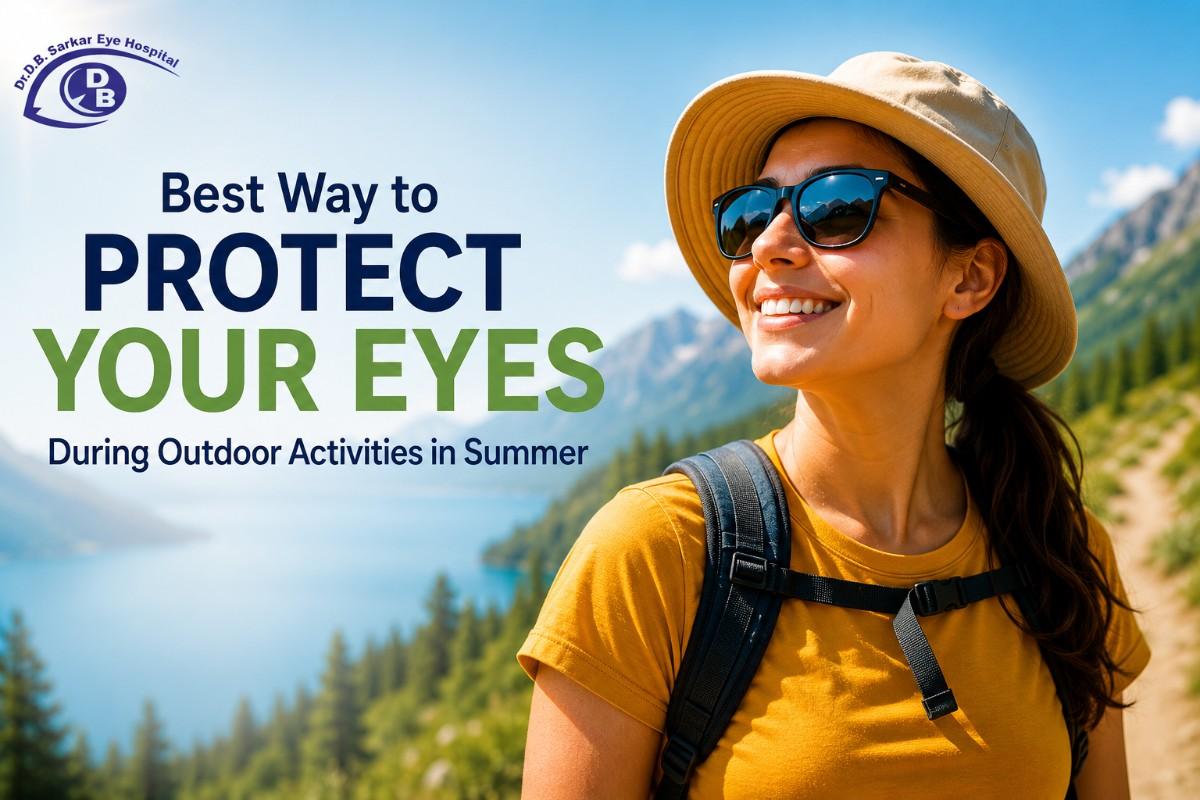
The End of the Fashion-First Era
For years, sunglasses simply acted as a highly stylish accessory. You would buy a pair, and it would look good in photos. However, that static dynamic is officially dead. We have officially entered an era of clinical summer eye care, where eyewear must do much more than just sit on your face. They are now actively acting as physical shields, blocking radiation, and executing complex filtering processes entirely on their own. Your eyewear is no longer just a digital sidekick for your outfit. It is rapidly becoming the lead defender of your vision.
How the Elements Run Their Own Offense
The latest outdoor conditions prove that environmental stress now scales exactly like software bugs. Modern eye problems in summer do not wait for you to look directly at the sun. Instead, they use a multi-directional framework to divide and conquer your vision autonomously.
Here is exactly how these environmental threats function today:
- The Reflector: Water and hot asphalt reflect the broad sunlight and independently bounce radiation straight up into your eyes.
- The Blinder: Severe glare writes its own rules, exploring different angles to systematically disrupt your focus without your permission.
- The Drier: Hot winds compile their heat, analyze your tear ducts, and draft a complete recipe for severe ocular dehydration.
Mastering the Science of Daily Defense
Cheap, tinted plastic is completely outdated. The true secret behind modern UV protection for eyes is its profound ability to run multiple filtration tests simultaneously. To achieve this massive scale, advanced eyewear relies heavily on certified UV400 protection.
Instead of waiting for a headache to finish your day, these lenses use complex chemical coatings to block wavelengths. This means they actively absorb, deflect, and discard harmful ultraviolet rays in parallel. If a specific angle of light changes, the lens instantly pivots. It blocks the glare and immediately launches a new baseline of comfort. Consequently, genuine sunglasses for UV protection perfectly mirror the absolute best safety protocols.
What This Means for Athletes and Travelers
This radical shift extends far beyond a walk in the park. It is already reshaping how active people make outdoor decisions. For runners, hikers, and weekend warriors, proper summer eye care is about to completely redefine endurance.
- Trail Running: Athletes can actively filter out the blinding glare from thousands of reflective surfaces in parallel.
- Road Trips: Drivers can aggressively use these lenses to test long distances continuously, discovering comfort before fatigue ever sets in.
- Beach Days: Travelers can seamlessly deploy wide-brimmed hats alongside their lenses to automatically generate massive, shade-backed comfort clusters.
Prepare for the New Standard of Prevention
The barrier to entry for world-class UV defense has fundamentally dropped to zero. Any adult with access to certified lenses can now run a protection loop that once required staying indoors. People who still rely on dark tints without a rating will fall behind. Those who only wear hats without glasses will also be severely outpaced. It is time to aggressively audit your current outdoor gear. Start integrating verified UV protection for eyes into your daily travel operations today. Embrace the immediate shift from cheap plastic to full UV400 protection, and let your proactive habits rapidly scale your time in the sun.
Medical Disclaimer
This blog offers general guidelines on outdoor eye safety and preventive habits. It is not intended as a substitute for professional medical recommendations. Wearing sunglasses and hats reduces the risk of UV exposure but does not guarantee complete prevention of eye disease or injury. If you have a history of eye conditions or are experiencing discomfort after outdoor activities, consult an eye care professional for a personalized evaluation.
Efforts are made to ensure that the information and content are correct and up to date; however, medical information can change. Dr. D.B. Sarkar Eye Hospital and its staff do not assume responsibility for any action taken as a result of this article alone. Make sure to see our eye experts in Cooch Behar for personalised eye care advice.