

Viral, Bacterial, or Allergic? How to Decode Your Pink Eye Symptoms
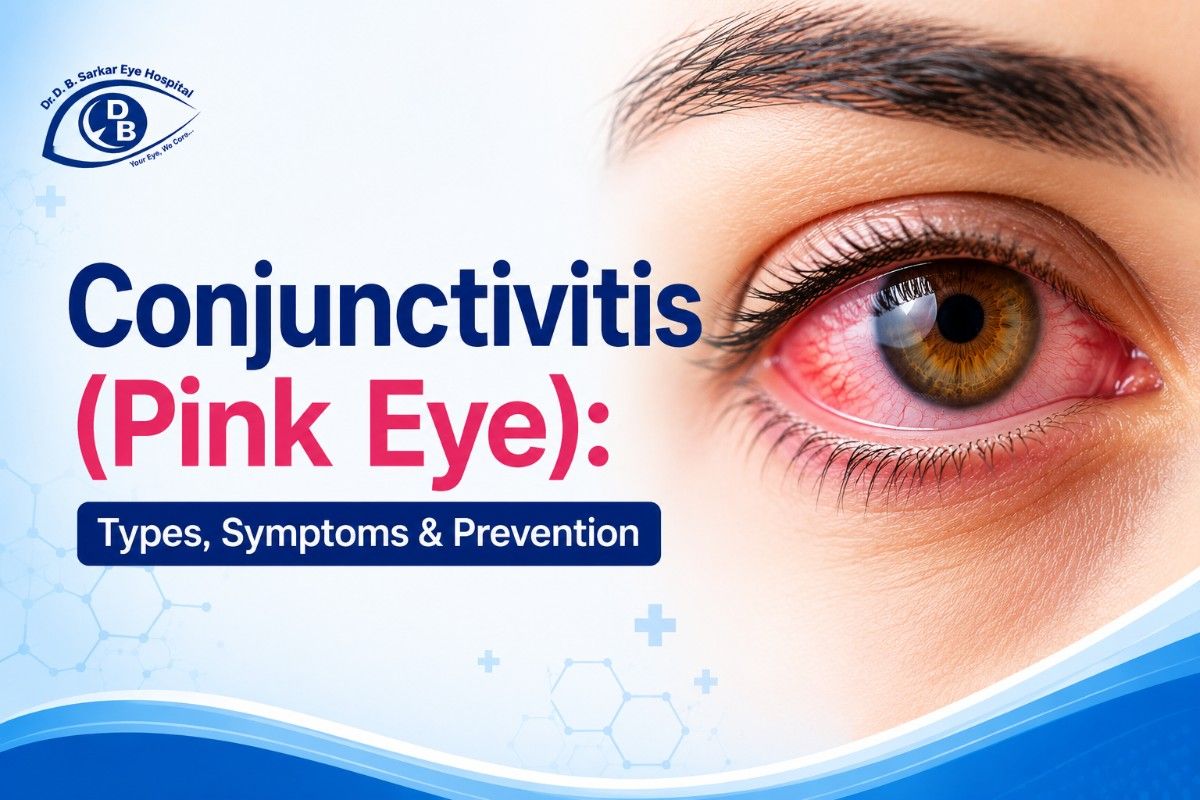
The End of Guessing What's Wrong With Your Eye
We used to treat every red eye the exact same way. You would just rub it, blink a few times, and pray it cleared up on its own. That generic approach is completely outdated today. Pink eye actually stems from three entirely different causes, and every single one demands a specific treatment. Guessing your medication is a massive mistake. It wastes your time and usually makes the swelling significantly worse.
How to Tell the Three Types Apart
The latest clinical guidance makes one thing clear: pink eye is not a single illness. It is three separate conditions wearing the same disguise. Viral, bacterial, and allergic conjunctivitis all cause redness. But the details underneath tell very different stories.
Here is exactly how to read the signs:
- Viral. This is the version adults catch most often. Your eyes feel gritty and leak clear fluid. You will probably have a sore throat or a lingering cold at the same time. It usually attacks one eye first before jumping to the other.
- Bacterial. You will know this one immediately. It creates a thick yellow or green gunk that literally glues your eyelids shut while you sleep. Kids catch this constantly, and it usually hits both eyes right away.
- Allergic. Expect intense itching and swollen eyelids. Your eyes will water constantly alongside heavy sneezing or a stuffy nose. The good news here is that you cannot spread it to anyone else.
Mastering the Symptom Timeline
Random symptom-spotting only gets you so far. The true secret to decoding pink eye symptoms is timing. When did it start? What came before it? Those two questions matter more than most people realize.
Doctors do not just look at how red your eye is. They look at timing. Bacterial infections usually pop up within one to three days after exposure. Viruses are much less predictable, taking anywhere from twelve hours to nearly two weeks to surface. Allergies are completely instant. Your eyes react the second you hit pollen or dust, and the irritation fades away just as quickly once you clear the area. Consequently, tracking your timeline gives any eye doctor for eye infection a real head start on diagnosis. But crucially, timing alone isn't proof. It's a clue, not a verdict.
What This Means for Diagnosis and Treatment
This isn't just a medical technicality. It directly decides how you should treat your eyes and how careful you need to be around others. For anyone dealing with pink eye symptoms, getting the type right changes everything that follows.
- If It's Viral: No antibiotics will help. Supportive care and time are your only real options, and it usually clears within one to two weeks.
- If It's Bacterial: Antibiotic eye drops from a proper eye infection treatment plan speed up recovery significantly, often within two to five days.
- If It's Allergic: Antihistamine drops and avoiding your trigger work far better than anything aimed at infection.
A real case makes this clear. A college student assumed her itchy, watery eyes were just seasonal allergies and kept using her roommate's allergy drops. Nothing improved. A visit to an eye vision hospital revealed it was actually early viral conjunctivitis, not allergies at all. Once she switched to proper supportive care and stopped sharing drops, her symptoms eased within days. Misreading the type had simply delayed the right response.
Prepare for Smarter Symptom Tracking
We can finally stop treating every red eye the exact same way. That old habit is dead. If you simply pay attention to the color of the gunk, how fast it spreads, and how your body feels, you can easily figure out the exact cause. It just takes a little observation. People who ignore these details risk weeks of the wrong treatment. Those who ask better questions early recover faster.
Watch your discharge. Track your timeline. Pay attention to whether the redness is in one eye or both. If your symptoms feel severe or confusing, stop looking up answers on the internet. Go see an actual eye doctor to get a real diagnosis. Understanding exactly what is wrong from the very first day is the fastest way to get your vision back to normal.
Disclaimer
The symptom tracking tips and timelines discussed in this blog are for general educational purposes and should not be used as a substitute for professional medical diagnosis. Because the symptoms of viral, bacterial, and allergic conjunctivitis can overlap and change quickly, guessing your treatment can lead to serious eye complications, including corneal damage. For an accurate diagnosis and appropriate treatment, always consult a qualified eye specialist or visit Dr. D.B. Sarkar Eye Hospital, where experienced ophthalmologists can provide expert eye care and personalized treatment.