

Diabetic Retinopathy: A Complete Guide to Causes, Symptoms, Treatment & Early Detection
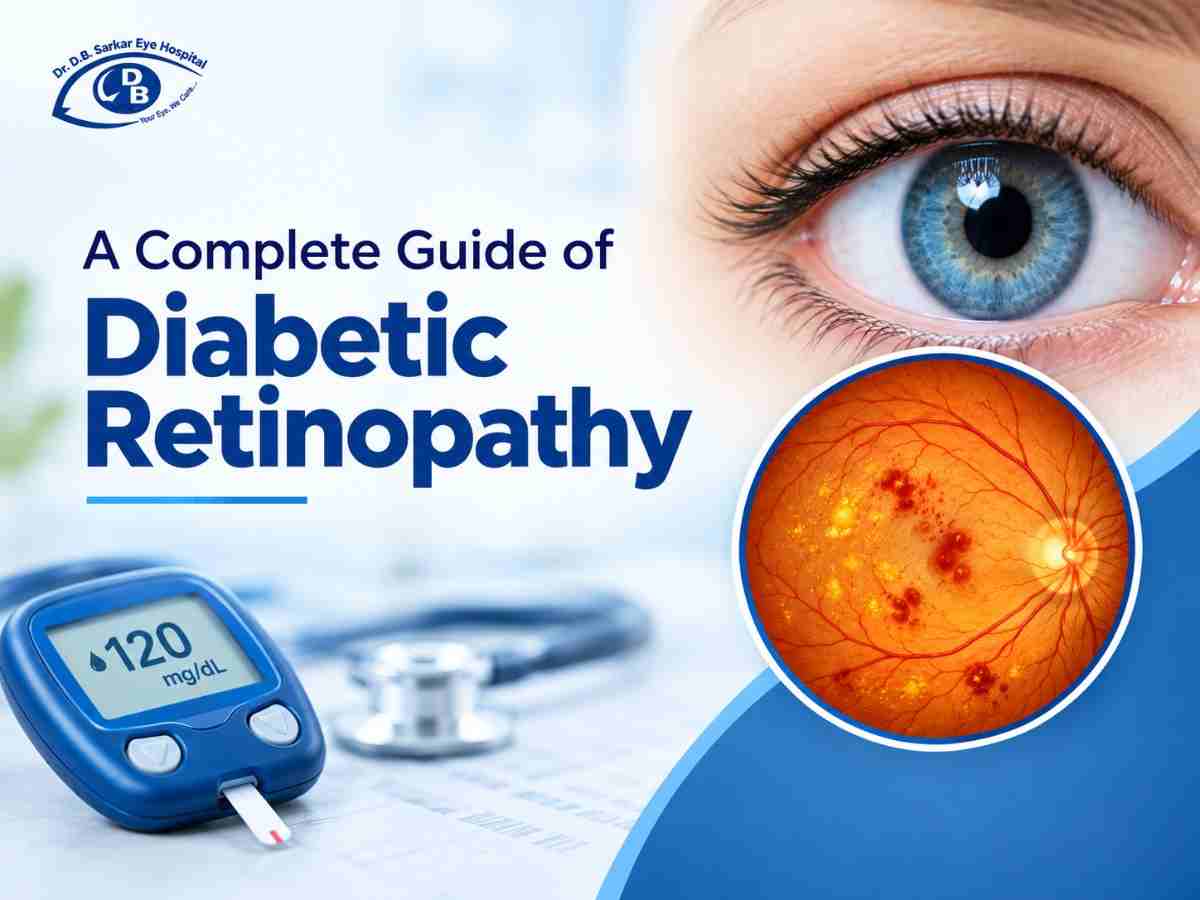
The End of Reactive Health Protocols
For decades, the standard approach to managing eye health for metabolic patients was dangerously reactive. Patients would simply wait until their sight became blurry, and only then would a doctor try to save whatever functioning tissue was left. However, that outdated model is officially dead. We have officially entered a new era of proactive retinal care, where clinical protocols do much more than simply react to advanced symptoms. Today, practitioners are actively predicting, intercepting, and reversing microscopic damage long before it affects your daily life. The modern eye doctor is no longer just a passive observer. They are rapidly becoming the lead architects of your long-term visual health.
How High Blood Sugar Destroys the Eye
The latest clinical breakthroughs prove that ocular damage progresses exactly like unchecked systemic inflammation. The statistics surrounding diabetic eye disease remain staggering, but the underlying mechanics are entirely predictable. Current diagnostic tools do not require you to experience a massive bleed to spot a problem. Instead, they use high-resolution, multi-layered imaging to analyze massive amounts of cellular data autonomously.
Here is exactly how this progressive damage functions if left unchecked:
-
The Blockage: A core vascular breakdown happens when chronically high blood sugar independently chokes the tiny blood vessels in the retina, depriving the delicate tissue of essential oxygen. When these tiny pathways are blocked, the eye is forced into a state of panic, triggering a cascade of destructive biological responses.
-
The Leakage: The eye attempts to compensate for the blockages, but the weakened vessel walls bulge, leak fluid, and systematically deposit fatty residues straight into the macula without warning. This fluid accumulation acts like a sponge soaking up water, distorting the very center of your vision and making basic tasks impossible.
-
The Proliferation: Finally, the retina triggers the growth of fragile, abnormal new blood vessels in a desperate attempt to restore blood flow. Remarkably, these new vessels are built so poorly that they easily rupture, flooding the inner cavity of the eye with blood and causing sudden, catastrophic blindness.
The Power of Continuous Monitoring
Traditional, linear healthcare workflows are completely outdated. The true secret behind preventing vision loss due to diabetes is the clinical ability to run continuous, highly sensitive screening loops. To achieve this massive scale of prevention, advanced medical centers rely heavily on technology-driven diagnostic frameworks.
Instead of waiting for a single annual exam to reveal late-stage damage, these clinical systems use complex imaging methodologies like Optical Coherence Tomography (OCT). This means your eye specialist can actively explore, refine, tune, and track multiple layers of the retina at the same time. If a specific micro-vessel begins to swell, the doctor instantly pivots. They learn from the vascular response and immediately launch a healing intervention. Consequently, these diagnostic screening loops perfectly mirror the absolute best agile disease management pipelines. But crucially, they operate at a microscopic level of precision that basic eye chart tests could never match. No manual observation can realistically keep up with that volume of biological data.
Modern Treatments for Retinal Preservation
This radical shift extends far beyond early diagnosis. It is already reshaping how retinal specialists execute diabetic retinopathy treatment. For modern patients, delaying intervention is no longer an option. Advanced pharmacology and targeted surgical systems are about to completely redefine your visual longevity.
-
Targeted Injections: Medical professionals can actively synthesize and deploy artificial medications to block abnormal vascular growth signals. These remarkable medications work by literally shutting down the chemical signals that tell the eye to grow those dangerous, leaky blood vessels. They can test multiple injectable regimens to dry up retinal fluid simultaneously, delivering a stabilized retina while you carry on with your normal routine.
-
Pinpoint Laser Precision: Surgical teams can aggressively use highly focused light beams to seal leaking vessels continuously. They can run targeted laser treatments at scale across the outer retina. By carefully treating the damaged areas, they can effectively shrink the abnormal vessels and prevent them from growing back, preserving your central vision for the long haul.
-
Advanced Vitrectomy: Retinal surgeons can seamlessly deploy micro-surgical instruments to clear blood pooling in the eye's clear gel. This highly advanced procedure allows the surgeon to directly access the back of the eye, mechanically removing scar tissue that threatens to detach the retina. They turn blinding complications into stabilized, recoverable conditions.
Addressing the Full Spectrum of Metabolic Damage
Understanding the nuances of eye problems due to diabetes requires acknowledging that the retina is not the only target. While diabetic retinopathy—a term often used to describe the complex inflammatory and vascular changes in the back of the eye—dominates the clinical conversation, the entire structure of the eye is under siege. Fluctuating blood glucose levels actively alter the shape of the eye's internal lens, leading to rapid, unpredictable shifts in your everyday diabetes eye vision.
Furthermore, the secondary risks multiply rapidly. Patients with elevated glucose are aggressively predisposed to developing cataracts much earlier in life. They also face a significantly heightened risk of severe, pressure-related glaucoma, where damaged blood vessels physically block the eye's natural drainage system. You must aggressively monitor these secondary conditions. You must systematically manage your overall physical health to protect your eyes. You must proactively align your endocrinologist and eye doctor to ensure absolutely nothing slips through the cracks.
What This Means for Systemic Control
This radical shift in eye care extends far beyond the vision clinic. It is already reshaping how patients manage their entire metabolic ecosystem. For individuals fighting diabetic retinopathy, mastering systemic metrics is about to completely redefine their long-term health trajectory.
-
Glucose Mastery: Patients can actively use continuous blood sugar sensor data to flatten their metabolic curves. They can test multiple nutritional and insulin adjustments in parallel. They can then deliver a stable internal environment that actively starves ocular disease of its primary fuel source.
-
Blood Pressure Control: Treatment teams can aggressively use anti-hypertensive protocols to protect fragile capillaries continuously. They can run cardiovascular optimizations at scale. They can also discover dangerous hypertensive spikes in real time, long before the delicate retinal vessels ever rupture under the strain.
-
Cholesterol Optimization: Specialists can seamlessly deploy targeted therapies to clear heavy lipid deposits from the bloodstream. These interventions can automatically reduce the toxic fatty leaks oozing into the macula. They turn a dangerous, hostile vascular environment into a clear, functioning biological network.
Prepare for the New Standard of Eye Care
The barrier to entry for world-class retinal preservation has fundamentally dropped to zero. Any patient with access to a modern eye clinic can now benefit from diagnostic and treatment loops that once required highly experimental academic settings. Patients who still rely on waiting for warning signs to manually trigger a doctor's visit will severely lag behind. Those who only ask their doctors for basic eyeglasses to correct underlying vascular damage will also be drastically outpaced by the disease. It is time to aggressively audit your current medical routines. Start integrating these continuous evaluation networks into your yearly health strategy today. Embrace the immediate transition from manual symptom-checking to full proactive monitoring, and let modern medical science rapidly secure your sight for the future.
Disclaimer
This article is for informational and educational purposes only and does not constitute medical advice, diagnosis, or treatment. Always consult your ophthalmologist, endocrinologist, or primary care physician regarding your specific eye health, metabolic management, and treatment options. Do not alter your medical routine or delay seeking professional care based on the contents of this article.