

How to Use Eye Makeup Safely: Simple Tips for Healthy Eyes
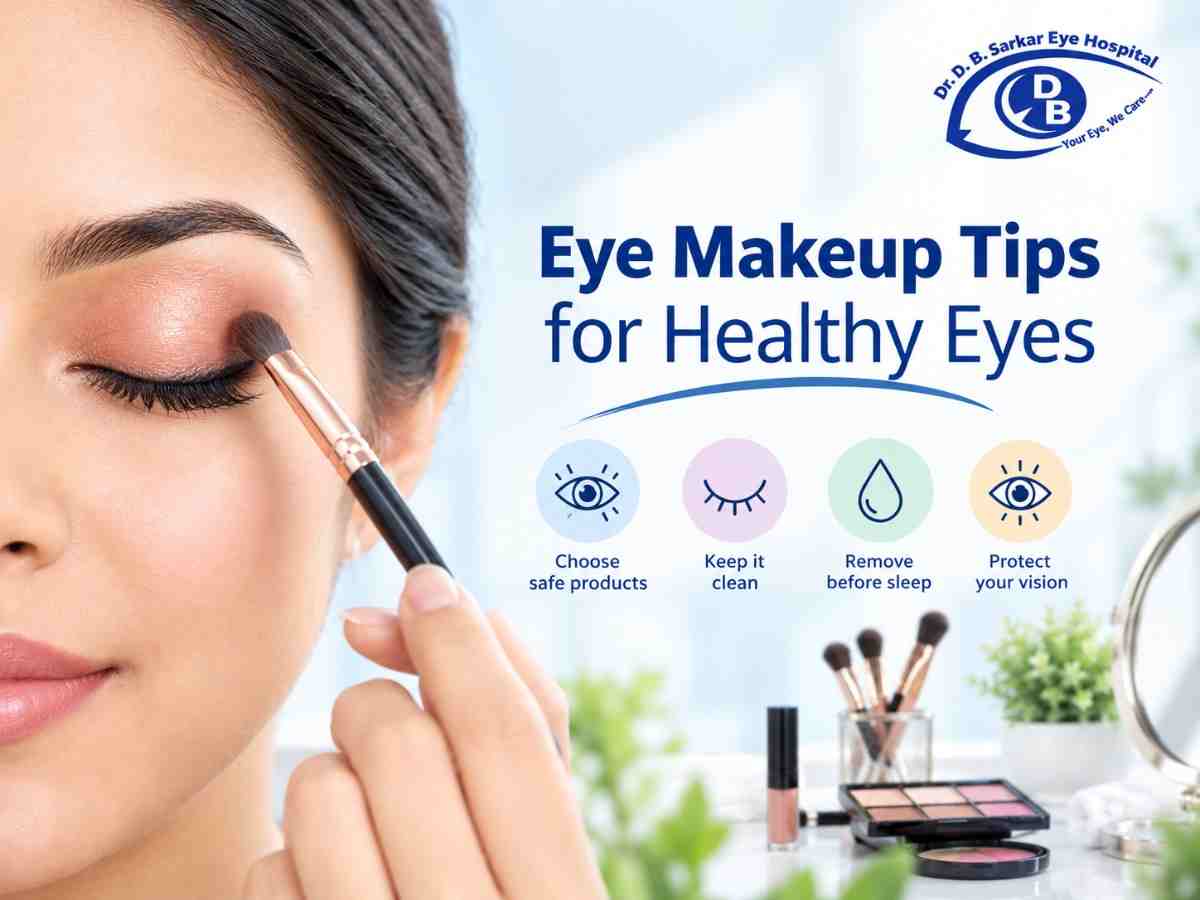
Why Eye Makeup Deserves More Caution Than Any Other Product
Think about where eye makeup actually lives, once it's on. Right along the lash line. Right near the tear film. Right next to tiny oil glands that keep your eyes lubricated and comfortable.
That's a crowded, delicate neighbourhood.
A product that's slightly off — expired, contaminated, or just the wrong formula for your skin — doesn't stay put. It migrates. Into the tear film. Into the glands. Sometimes straight into the eye itself. And because the eye area doesn't forgive carelessness the way, say, your forearm does, small mistakes here tend to show up fast. Redness. Itching. Swelling. Occasionally, something more serious.
Most of this is avoidable. Genuinely. Not through expensive products or elaborate routines, but through a handful of habits that take seconds.
Start With Clean Hands and a Clean Face
Before anything touches your eyes, wash your hands.
It sounds almost too obvious to mention. But hands carry more bacteria than most people realise, and every time you dip a brush or wand into a product, you're introducing whatever's on your fingers straight into it. Clean eyelids matter too — residue from the previous day, combined with natural oils, gives bacteria exactly the environment it needs to settle in.
Five seconds with soap and water. That's the whole ask.
Never, Ever Share Eye Makeup
This one deserves to be said plainly: don't share mascara, eyeliner, or eyeshadow with anyone. Not your sister. Not your best friend. Not the stranger offering you a "quick fix" from their bag at a wedding.
Shared makeup is one of the fastest ways to pass on pink eye and other infections. You should also completely avoid those open testers at the cosmetics counter. They're definitely a fun and inviting look. However, they have harmful bacteria. Thousands of random passers have handled them. Those same wands have just been rubbed directly on the very lashes of strangers. A common habitat for germs. If you desire to swatch a color, use a brand new, one-time-only applicator; ask staff for one specifically. But if they continue to protest, simply make the walk-away decision and try it at home at a later time.
Respect the Three-Month Rule
Eye makeup has a shelf life. Roughly three months, according to ophthalmologists, and that clock starts the moment you open the product — not the moment you bought it.
Creamy and liquid formulas, mascara especially, are the biggest offenders. Every time you pump the wand in and out, you're pushing air — and bacteria — into the tube. Over weeks, that bacteria multiplies. By month three, you're no longer applying makeup. You're applying a bacterial colony with a bit of colour mixed in.
If you ever develop an eye infection while using a product, don't wait out the three months. Toss everything you were using at the time, immediately, and don't touch eye makeup again until the infection has fully cleared.
Be Careful With Glitter and Metallics
Sparkly eyeshadows look wonderful under the right lighting. They can also be genuinely risky.
Many glitter and metallic formulas contain tiny hard particles — sometimes ground mineral or shell-based ingredients — that behave a lot like sand if they fall into your eye. They scratch. The cornea doesn't need much to get irritated, and a stray fleck of glitter is more than enough. Contact lens wearers face an even higher risk here, since particles can get trapped under the lens and rub against the eye with every blink.
If you love shimmer, that's fine. Just apply it carefully, keep it away from the waterline, and avoid rubbing your eyes afterward.
A Few Rules for Application
A little discipline during application goes a long way:
-
Use separate applicators for separate products — don't reuse an old mascara wand in a new tube
-
Never apply makeup in a moving car, bus, or train; a sudden jolt and a mascara wand near your eye is not a combination worth risking
-
Introduce new products one at a time, so if irritation shows up, you know exactly what caused it
-
Keep eyelash glue away from the waterline — it belongs on the natural lash, nowhere closer
-
If you use a heated lash curler, start on the lowest setting and avoid going over the same section repeatedly
Wearing contact lenses changes the order slightly, too. Insert your lenses first, then apply makeup. When it's time to take everything off, lenses come out before the makeup remover goes anywhere near your face.
Take It All Off Before Bed
This is the step people skip most, and it's probably the one that matters most.
Leaving your eye makeup on overnight is asking for trouble. Mascara is especially stubborn. It sits right against your sensitive lash line for eight straight hours. This easily blocks the microscopic oil glands lining your eyelids. That blockage quickly leads to painful irritation. In some cases, it even causes an unpleasant follicular conjunctivitis. People tend not to take the warnings until their eyes swell and become red. Sadly, after oncoming, you won't simply rectify it with a quick morning spray. This will need the proper tools for the removal. A smooth, oil-based remover does the heavy lifting nicely. Plain petroleum jelly offers a cheap, highly effective alternative. Simply do not get the jelly into the eye itself. Apply a clean cotton swab to the small, remaining tucks that are left in the root area and gently rub it along the lash line.
Have remover and cotton pads somewhere easy to see, near the sink. The easier the habit is to start, the more likely you are to actually do it on the nights you're exhausted.
When to Stop and See a Doctor
Most eye makeup problems are minor and fixable. A few aren't.
Pay attention if you notice:
-
Persistent redness or swelling that doesn't fade within a day
-
Discharge or pus from the eye
-
Visible scratches, or a feeling like something is stuck under your eyelid
-
Pain that gets worse rather than better
Any of these warrant a visit to an eye doctor, not a home remedy. And if you've recently had eye surgery, skip makeup around the area entirely until your ophthalmologist gives you the go-ahead — healing tissue and cosmetic products are not a good mix.
The Simple Version
None of this requires giving up makeup, switching to boring routines, or living in fear of your own eyeshadow palette. It just asks for a bit of awareness.
Wash your hands. Don't share products. Replace what's old. Be gentle with glitter. Take it all off before you sleep. And if something feels wrong, don't wait around hoping it fixes itself.
Think about how much heavy lifting your eyes do constantly. They process the entire world without demanding any special attention.
Showing them a bit more respect is a tiny investment. Just being mindful about everyday cosmetics easily secures your permanent vision.
Disclaimer
Cosmetic and Ocular Health Notice: The information provided in this article is for educational and general lifestyle purposes only and should not be used as a substitute for professional medical advice, diagnosis, or treatment. Ocular sensitivities and allergic reactions to cosmetic ingredients, preservatives, and adhesives vary significantly from person to person. Always perform a patch test when trying new eye makeup products, and immediately consult a certified optometrist or ophthalmologist if you experience persistent irritation, visual disturbances, or signs of infection.