

Shielding Your Sight: A Complete Guide to Monsoon Eye Infections
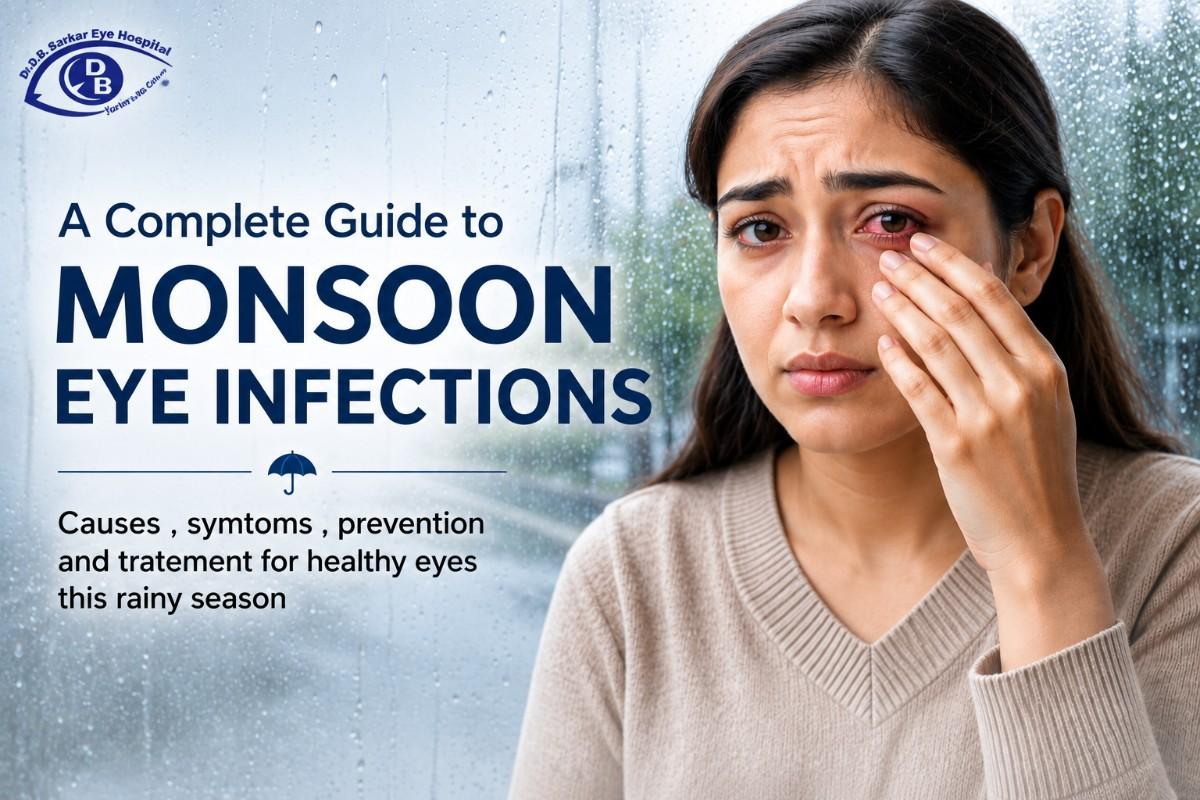
Why Monsoon Is Rough on Your Eyes
Combine thick moisture with dirty street water and unwashed hands. It is a complete disaster waiting to happen. Nasty bacteria multiply like crazy the second the air turns sticky, turning everyday habits like sharing a wet umbrella into a fast track for spreading severe infections. Since most of us constantly rub our tired eyes without even realizing it, those sensitive tissues become the absolute easiest target for rapidly spreading viruses.
This is why the same pattern shows up every July. Clinics get busier. Pharmacies sell out of eye drops. Ask any eye doctor for eye infection cases, and they'll tell you the same thing — this season keeps them on their toes.
Conjunctivitis, or eye flu, is the one everyone knows. But it's not the only monsoon eye problem going around. Styes, mild fungal infections, and plain irritation from dirty water all show up too.
How It Actually Spreads
A friend of mine was fixing his scooter chain in the rain. Hands covered in oil and mud. He rubbed his eye without thinking twice. The next morning, both eyes were swollen and watering non-stop. He looked like he'd been crying for hours.
That's usually how it happens. Not one big dramatic exposure. Just a dirty hand, a shared towel, or water splashed up from a passing car.
Warning Signs to Watch For
- Redness that doesn't go away in a day or two
- Constant watering or tearing
- A gritty feeling, like sand stuck under the eyelid
- Sticky discharge in the morning, eyelids stuck shut
If you notice any of this, don't wait around hoping it clears up on its own. Book a proper eye check-up early. A few days of delay can turn a mild infection into something worse.
Monsoon Eye Care Tips That Actually Help
- Actually, wash your hands. A quick two-second splash under the tap does absolutely nothing to remove the stubborn street grime and aggressive microbes you pick up during a messy daily commute. You have to use soap and scrub them properly.
- Keep your personal items completely isolated. Sharing things like hand towels, eyeliner, or kajal with family members during an active viral outbreak is a guaranteed way to pass highly contagious pink eye right back and forth.
- Carry reliable eye drops. Keeping a small bottle of artificial tears in your bag lets you instantly wash away street dust the exact second your vision feels gritty. It genuinely saves you so much trouble.
- Keep your hands off your face. You absolutely have to fight the urge to scratch when your eyes start itching. Giving in to that quick relief just grinds nasty bacteria deeper into the delicate tissue, making the redness and swelling so much worse.
None of this is complicated. It's mostly discipline and a bit of common sense.
Getting the Right Eye Infection Treatment
Never reuse old medication from a previous infection. Guessing your treatment usually backfires horribly, turning a mild irritation into a completely swollen nightmare. You actually have to get a proper diagnosis. A viral problem will clear up on its own with just time and cold compresses, but a bacterial issue completely depends on actual antibiotics to finally kill the germs. An eye doctor can tell the difference within minutes, something you can't do by guessing at home.
If there's a decent eye vision hospital near you, walk in for a same-day check rather than waiting it out. Early treatment makes a real difference here.
When You Should Stop Waiting and Just Go
Blurred vision, sharp pain, or sudden sensitivity to light aren't normal symptoms of eye flu. These need attention right away, not a "let's see how it goes" approach.
If any of these show up, go get checked the same day
The Takeaway
Monsoon brings its own good things — cooler air, the smell of wet ground, a break from the heat. But it also brings a wave of eye viruses that move quickly through homes, offices, schools, and crowded trains.
Basic habits go a long way here. Wash your hands. Skip the shared towels and makeup. Keep drops within reach. And if something feels off, don't ignore it.
Your eyes don't get a break the rest of the year, so this monsoon, don't skip the basics of eye care.
Disclaimer
The information provided in this article is for general educational and awareness purposes only. It is not intended to replace professional medical advice, diagnosis, or treatment. If you experience symptoms such as eye redness, burning, excessive tearing, itching, or sticky discharge during the monsoon, avoid self-medication or using leftover eye drops. Instead, consult a qualified ophthalmologist for an accurate diagnosis and appropriate treatment. For expert eye care and personalized guidance, visit Dr. D.B. Sarkar Eye Hospital, where our experienced specialists are committed to protecting your vision and eye health.